
Medical Cannabis and Digitalisation: Key Mistakes in Operations and Production Scaling | Fabricio Conrado Nobre (Incentea)
3 min read
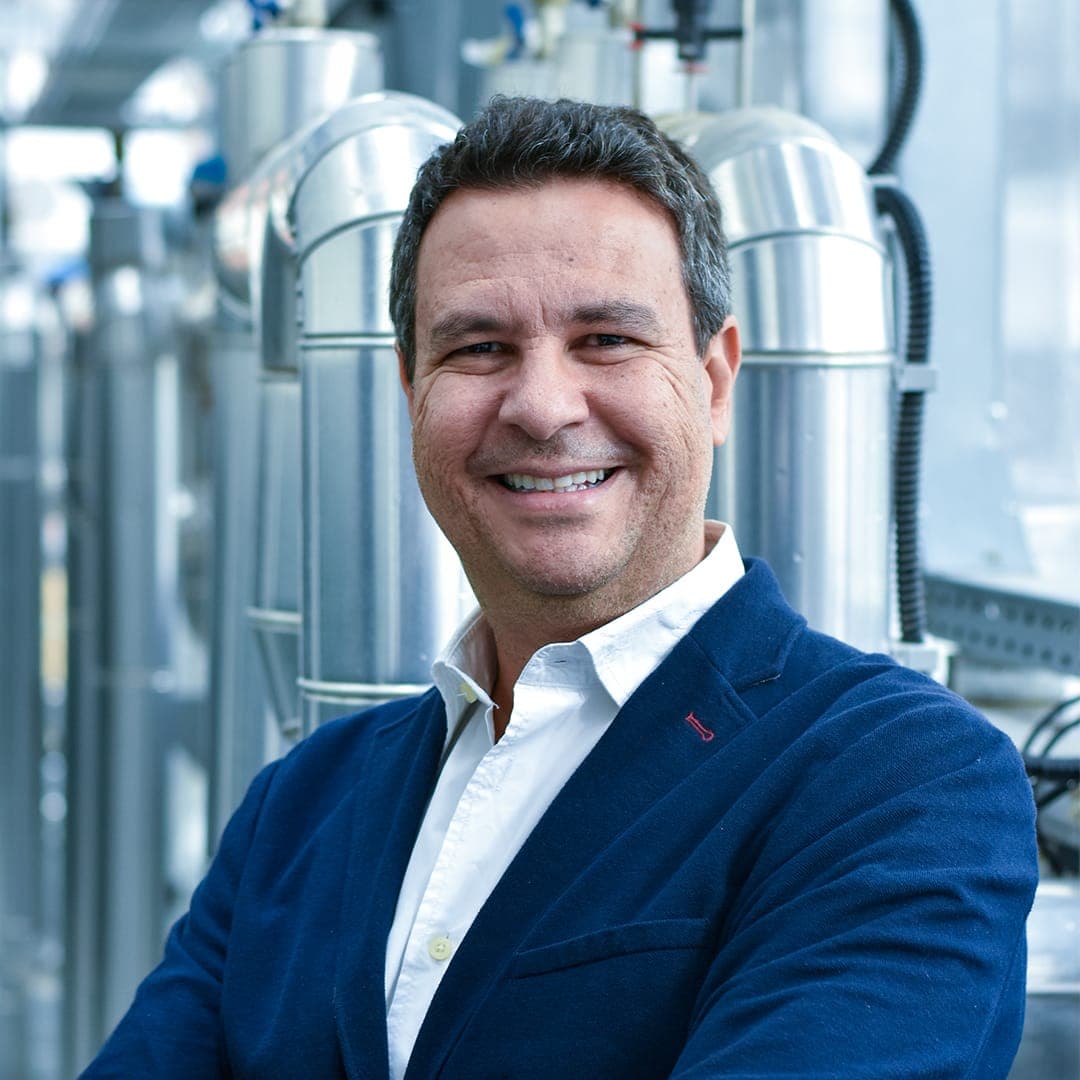
It is a pleasure to contribute to a publication that, in my view, reflects very well the resilience, professionalism, and delivery capacity that this sector needs. After almost eight years working closely with the medical cannabis industry, I have seen first-hand how demanding, but also how inspiring, this market can be.
Table of Contents
What are the most common digitalisation mistakes you see in medical cannabis companies****when they begin operations or try to scale up their production?
One of the most common mistakes is thinking about digitalisation too late, or only as a compliance requirement. In reality, in medical cannabis, digitalisation should be part of the operating model from day one. Companies that start with disconnected tools, spreadsheets, or isolated systems often struggle later when they need to scale, control costs, or prove full traceability across the entire process.
Another frequent mistake is choosing software that covers only one part of the business, instead of adopting a single solution that connects cultivation, production, inventory, finance, purchasing, and regulatory control. In a sector with strict compliance rules and increasingly tight margins, this fragmentation creates inefficiencies, increases operational risk, and makes decision-making slower.
The companies that scale best are usually the ones that build a solid digital foundation early. They understand that in this business, it is not enough to comply; it is also essential to manage cash flow, control costs, and maintain visibility over every stage of the operation. A unified system is not just a support tool — it becomes a competitive advantage.
What has surprised you most about the development of business management and****traceability softwares within the medical cannabis sector compared to other industries?
What has surprised me most is the speed at which this sector has matured in terms of operational expectations. At INCENTEA, as a business technology partner with around 2,000 customers in more than 15 countries, we have seen that in many other industries companies can grow gradually into more advanced systems. In medical cannabis, however, the pressure to ensure compliance, traceability, and process control from the very beginning has accelerated the need for more complete and integrated software solutions.
Another important difference is that cannabis companies cannot treat traceability as a separate function. It must be embedded into the heart of the business, from seed to sale, with real operational and financial visibility. That is why management software in this sector has evolved into much more than a compliance tool. Today, it is a platform that supports production planning, quality control, reporting, inventory accuracy, and financial discipline in a single environment.
In Portugal, this evolution is very visible. Today, more than 15 companies in the Portuguese market use our ERP Sage X3 for Cannabis, and 100% of the medicines currently available in pharmacies come from clients using the Sage X3 for Cannabis we work with. That shows how important it is to manage all processes within one solution, not only to meet demanding compliance requirements, but also to control costs and cash flow effectively. In a sector that is becoming more competitive and where margins are increasingly tighter, that integration creates real business value.
I would just add that Agropharm is a very good example of the resilience and delivery capacity this sector needs. I am grateful for the invitation to share my perspective and to contribute, in a modest way, to this important conversation.
Fabricio Conrado Nobre
Incentea (Shareholder | Marketing, Communications & New Business)