
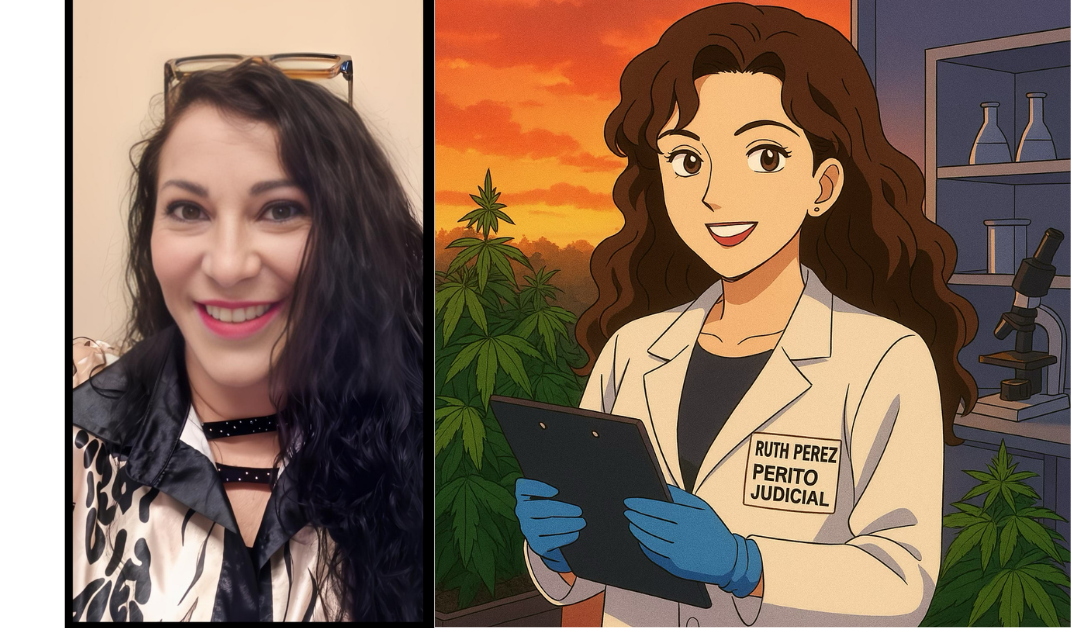
Based on your experience as a legal expert in the cannabis sector, what are currently the main legal risks and conflicts affecting promoters of medical cannabis projects in Spain?
European Spotlight: Remote Dispensing, Justice, and the Role of the Judicial Expert in Medical Cannabis
I.Introduction: A Legal and Social Milestone
The approval of Royal Decree 903/2025, of October 7, marks a turning point in the history of medical cannabis regulation in Spain.
For the first time, a regulatory framework has been established for the prescription, preparation, dispensing, and use of standardized cannabis preparations.
This regulation, the result of years of parliamentary and scientific debate, consolidates safe and equitable access for people with serious pathologies and clinical conditions that are resistant to conventional treatments, based on the constitutional principles of equality and health protection.
II. Legal framework and scope of Article 9: Remote dispensing
Article 9 of Royal Decree 903/2025 regulates the dispensing and pharmacotherapeutic monitoring of standardized compounded medications.
Section 9.3 allows autonomous communities to establish non-face-to-face dispensing measures in accordance with Article 3.8 of Law 1/2015 in cases of dependency, vulnerability, risk, or remoteness.
This provision represents a major innovation: supervised home dispensing, bringing therapy closer to those who, due to age, disability, illness, or geographical isolation, are unable to physically go to a pharmacy.
Remote dispensing does not imply a liberalization of the sale of cannabis; the formula remains masterful, individualized, and controlled.
What changes is the approach: the center of gravity of the service shifts toward the dignity of the patient, eliminating historical barriers and minimizing the risks of media exposure.
III. Regulatory motivation and expert contributions
The Regulatory Impact Analysis Report of the Ministry of Health recognizes that the medical cannabis program must ensure equal access and universal accessibility, especially for people with disabilities, legitimizing remote dispensing as a mechanism for real equity.
During the TRIS procedure (Notification 2025/0032/ES), technical contributions were submitted—including those of the author of this article—proposing the express inclusion of remote dispensing for patients with disabilities and functional dependence, in line with the bioethical principles of justice and non-maleficence.
These contributions were included in the final text of Article 9.3.
IV. Technical-operational design and guarantees
The implementation of remote dispensing requires a robust circuit: prescription by a hospital specialist, preparation in the Hospital Pharmacy Service in accordance with the National Formulary and AEMPS monographs, and dispensing with pharmacotherapeutic monitoring, including home delivery in specific cases. All of this guarantees traceability, quality, and active pharmacovigilance, reinforcing the chain of custody through seals, records, and real-time monitoring, with the participation of health authorities and state security forces.
V. Legal conflicts, risks, and regulatory challenges
The main legal conflict currently revolves around remote dispensing and the possibility of preparing and supplying compounded medications outside the hospital circuit, which is the subject of an appeal before the Supreme Court by the General Council of Official Colleges of Pharmacists. However, the regulation remains in force and allows any interested party with standing to defend the rule.
The legal risks for promoters of medical cannabis projects stem from the possible breach of the chain of custody, document falsification, and failure to comply with the required quality standards.
The Criminal Code severely punishes these offenses, and European case law requires that any restriction on access to medicines pass a proportionality test, avoiding disproportionate burdens on patients.
VI. The role of the forensic expert: guaranteeing justice and fairness
In this context, the role of the forensic expert specializing in medical cannabis is key. The expert acts as a guarantor of the correct application of the regulations, advising judges, lawyers, and administrations, evaluating traceability and the chain of custody, and providing up-to-date scientific evidence.
Their intervention guarantees transparency, quality, and justice, defending the rights of patients and promoters, and ensuring safety and equal access.
VII. Conclusion: Justice and hope
The regulation of medical cannabis in Spain is a prime example of how therapeutic innovations require legal and ethical support.
Royal Decree 903/2025 represents a step forward in the protection of vulnerable people, but its effectiveness will depend on the willingness of public authorities and healthcare operators to apply it flexibly and in accordance with the principles of equality and proportionality.
As a legal expert and defender of patients’ rights, I conclude the following:
“May the light of the lighthouse that illuminates this conflict disappear with the decisions that are taken and may the struggle of patients and vulnerability be effective; may the light of the ring illuminate the star.”
Legal Expert Specializing in Expert Reports on Cannabis, Narcotics, and Pharmaceutical Law.
